Introduction
Minor surgical procedures such as removal of epidermoid cysts (atheromas), lipomas, and moles are commonly performed at clinics in Japan under local anesthesia as day-surgery procedures. The procedure itself is brief, but how you care for yourself during the one to two weeks that follow can affect how well the wound heals.
For patients who find it difficult to follow post-operative instructions given in Japanese, this article outlines the general post-operative care guidelines followed at IC Clinic Tokyo. Topics are covered in the following order: wound protection (bandaging), timing of suture removal, showering and bathing, exercise, work, alcohol, wound healing progress, and symptoms that warrant a follow-up visit. The information provided here represents general guidelines, and individual results may vary. If your attending physician gave you specific instructions during your procedure, please follow those instructions first.
Wound Protection: How Long to Keep the Bandage or Film Dressing On
- After surgery, the wound will be protected with a surgical transparent film dressing, gauze, or adhesive bandage. The type used depends on the area treated and the procedure performed.
- As a general guideline, the bandage may be removed after approximately one to two weeks, once the wound has closed and there is no notable bleeding. However, individual healing varies, so please confirm the timing with your physician at your follow-up visit.
- If a compression dressing using gauze and elastic tape has been applied to prevent fluid accumulation — as is sometimes the case after lipoma removal — or if a drain has been placed, you will be advised individually at the time of surgery when these should be removed.
- Whether you need to prepare replacement bandages yourself, and how frequently to change them, will also be explained at the time of your procedure.
Suture Removal: When and Where
- If sutures were placed, removal is generally performed around two weeks after surgery. The timing may vary depending on your treatment plan, and your attending physician will provide a recommended date at the time of surgery.
- Suture removal is performed at our clinic. Please book your appointment through the English web form or ask at the reception desk on the day of your procedure.
- Fine sutures are used with the aim of minimizing discomfort during removal.
- If absorbable (dissolvable) sutures were used, or if no sutures were placed following a punch excision of an epidermoid cyst, suture removal may not be required. Whether removal is necessary will be explained at the time of surgery.
- Buried absorbable sutures may occasionally work their way to the skin surface. If this occurs, please contact us and we will remove them at the clinic.
- If you are planning to leave Japan and will be unable to have sutures removed at our clinic, please let us know before your procedure.
Showering and Bathing
- Day of surgery: Please avoid bathing (soaking in a bathtub) on the day of surgery due to the risk of bleeding.
- From the following day onward: Showering is permitted from the day after surgery. After epidermoid cyst removal, you are welcome to gently wash the wound with soap in the shower.
- Bathtub, swimming pool, hot spring (onsen), and sauna: To maintain wound cleanliness, please limit yourself to showers only for approximately one week after epidermoid cyst removal. For sutured wounds — such as after lipoma removal — the appropriate time to resume bathing depends on the location and size of the wound; please check with your physician at the time of surgery.
- General precautions that apply to all patients include: avoid leaving the wound wet for extended periods, and do not scrub or rub the wound vigorously.
Exercise, Work, Alcohol, and Makeup
- Alcohol and exercise: Please avoid alcohol and exercise on the day of surgery and the following day due to the risk of bleeding.
- After that: Following epidermoid cyst removal, you may generally resume your normal routine as advised by your physician. Cysts located near joints may require a slightly longer period of rest depending on their size. After lipoma removal, please avoid strenuous exercise for approximately one week.
- Work: For desk-based work or other activities that do not put strain on the surgical site, many patients are able to return the following day. If your work involves strong movement or pressure on the surgical area, please consult your physician.
- Facial procedures: Makeup that avoids the wound area is generally permitted from the day of surgery. Individual variation applies depending on the post-operative condition.
- Pain: Some discomfort may occur from the day of surgery through the following day. Pain relief medication will be prescribed as needed.
- Medications you are currently taking: If you temporarily stopped taking blood-thinning medication prior to surgery, please follow the instructions from both your prescribing healthcare provider and our clinic regarding when to resume.
Wound Healing Progress: What to Expect
- As a general example following punch excision of an epidermoid cyst: wound oozing typically subsides within three to five days; the wound gradually closes over approximately two weeks; and the area continues to settle progressively over the following several months.
- For sutured wounds, redness around the wound tends to begin fading after about one week. Some redness may persist for up to three months before gradually diminishing.
- Post-operative swelling often lasts for approximately one week, and some patients may notice puffiness for one to two weeks.
- Scars of a few centimeters in length often become less noticeable over time, though depending on size, location, and individual skin characteristics, some scarring may remain. If you have concerns about scarring, please discuss this with your physician at your follow-up visit.
- All of the above are general examples, and individual outcomes may vary.
When to Contact Us: Possible Complications and Signs to Watch For
The following complications are uncommon, but should any symptoms occur, please contact us promptly so we can address them without delay.
- Infection: Persistent wound pain, fever, persistent swelling or warmth around the wound, or discharge from the wound. Treatment may include antibiotics, and if pus has accumulated, a small incision to drain it may be performed. In some cases, removal of the infection source may be required.
- Hematoma: Blood collecting beneath the wound, causing swelling. Drainage may be necessary.
- Exposure of buried absorbable sutures: Suture material emerging through the skin surface. The suture will be removed at our clinic.
- Keloid formation: Depending on individual skin characteristics, the scar may develop into a keloid. Treatment options include oral medication, injections, and topical therapy. Referral to a specialist institution will be arranged if necessary.
- Hypertrophic scarring: Red, raised scarring at the wound site. Treatment may include topical creams, injections, or oral medication, and surgical revision may be considered if needed. Referral to a specialist institution may also be arranged.
How to contact us: Please submit a message through our English web form at https://ic-clinic.com/en/reservation/tokyo/, clearly indicating that your inquiry concerns post-operative symptoms. Please note that our telephone line (0120-140-144) is available in Japanese only.
FAQ
Q1. Do I need to come back to the clinic for suture removal?
A. If sutures were placed, you will generally need to visit us for removal around two weeks after your procedure. If absorbable sutures were used, or if no sutures were placed following a punch excision, removal may not be required. Whether a follow-up visit is needed will be explained at the time of your procedure.
Q2. Can I shower the day after my surgery?
A. Yes, showering is permitted from the day after surgery. After epidermoid cyst removal, you are welcome to wash the wound gently with soap. Please avoid bathing in a bathtub, swimming in a pool, or using a hot spring for approximately one week (for sutured procedures, please follow your physician’s instructions).
Q3. My wound is red, swollen, and continues to hurt. What should I do?
A. This may indicate an infection. If you are experiencing persistent wound pain, fever, swelling or warmth that does not subside, or discharge from the wound, please contact us as soon as possible. While infection following these procedures is uncommon, prompt attention is important if it does occur.
For patients from overseas
You do not need to speak Japanese to visit IC Clinic Tokyo. Our staff communicate using translation apps, and English intake and consent forms are available. How Japanese health insurance works, self-pay costs, payment methods and what to bring are summarised on For International Patients.
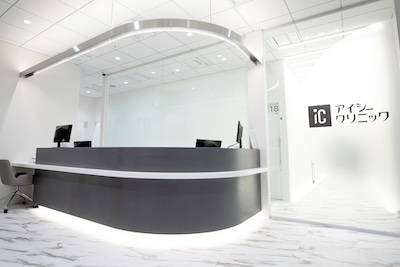
IC Clinic Tokyo — Nihonbashi Front 3F, 3-6-2 Nihonbashi, Chuo-ku, Tokyo. 3–5 min walk from JR Tokyo Station (Yaesu Exit). Hours 10:00–19:00 (closed 14:00–15:00, last reception 18:30), open Saturdays and Sundays.
Supervising physician: Kota Takakuwa, M.D., IC Clinic Tokyo